
Essential Blood Tests for Detecting Heart Issues
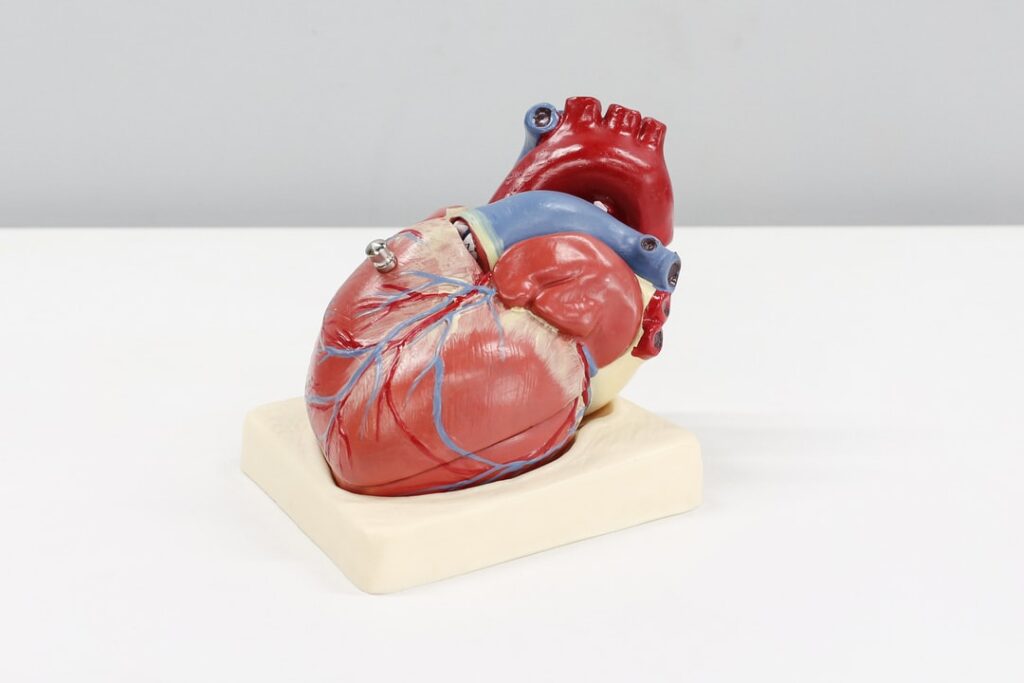
What are the essential blood tests for heart problems? They are a focused panel of cardiac biomarkers that assess risk, injury, strain, and inflammation to enable early intervention. The American Heart Association notes that proactive screening remains a critical front in combating cardiovascular disease, the nation’s leading cause of mortality.
Regular monitoring through these tests provides actionable data long before symptoms manifest. For healthcare providers managing at-risk populations, this panel is a cornerstone of preventative care.
Let’s examine the clinical role and significance of each primary test.
What Blood Tests Check for Heart Trouble?
Cardiac distress manifests through specific chemistry. When the heart is stressed or injured, it releases unique molecules into the bloodstream.
The key blood tests for heart problems target four primary areas:
- Cholesterol and lipids
- Troponin
- BNP or NT-proBNP
- C-reactive protein (CRP)
This panel offers a clear snapshot of cardiac health. With flexible mobile services, this critical data can be gathered at the most convenient patient location.
The Cholesterol (Lipid) Test: Assessing Atherosclerotic Risk
The Lipid Panel measures lipids that contribute to arterial plaque formation. Low-Density Lipoprotein (LDL) is the primary carrier of atherogenic cholesterol.
High-Density Lipoprotein (HDL) helps remove cholesterol from the bloodstream. High LDL or triglycerides combined with low HDL indicates elevated long-term risk.
Monitoring cholesterol levels is a cornerstone of preventative heart disease screening, especially for patients with comorbidities like diabetes or hypertension.
The Troponin Test: The Gold Standard for Acute Injury
Troponin is a protein complex found almost exclusively in cardiac muscle. It is released into the blood when heart cells are damaged, as in a myocardial infarction.
The high-sensitivity troponin test is exceptionally specific for cardiac injury. Rising levels in a symptomatic patient provide a clear diagnostic signal of an acute event.
Reliable sample collection is paramount for a valid result, underscoring the need for professional phlebotomy.
The BNP Test: Evaluating Cardiac Strain
B-type Natriuretic Peptide (BNP) is a hormone released by the heart ventricles in response to stretching from volume or pressure overload.
Elevated BNP levels are a hallmark of heart failure and help differentiate cardiac from pulmonary causes of dyspnea. Tracking this cardiac biomarker assists in managing fluid balance and treatment efficacy.
Consistent, professional sample collection is essential to monitor these levels accurately over time.
The CRP Test: Gauging Vascular Inflammation
Chronic inflammation is a key driver of atherosclerotic plaque instability. The high-sensitivity C-reactive protein (hs-CRP) test measures this vascular inflammation.
An elevated hs-CRP level predicts future cardiovascular events, even in patients with normal cholesterol levels. It provides crucial prognostic information for intermediate-risk patients. Expert clinicians often use an hs-CRP level above 2.0 mg/L as a key decision point to consider more aggressive preventive strategies, such as statin therapy.
This test depends on precise laboratory analysis for accurate risk stratification.
Building a Cardiac Screening Protocol
For stable adults at moderate risk, a lipid panel every four to five years is often enough. You might also consider an hs-CRP test for those with borderline risk factors. The key is to set clear rules in your practice. Decide in advance which test results mean you should refer a patient to a cardiologist, and which mean you should adjust their medication.
The biggest real-world challenge is getting patients to complete their tests. Transportation and mobility issues often cause delays.
By adding a reliable mobile phlebotomy service to your plan, you remove these barriers. This makes sure your screening guidelines are followed, turning your plan into real, usable patient data.
Evaluating a Mobile Phlebotomy Partner
Selecting the right service partner is critical for protocol success. Beyond pricing, focus on operational and clinical reliability. Begin with certification: ensure phlebotomists hold national credentials and have experience with geriatric or difficult draws.
Clarify logistical details: What is the service area and scheduling flexibility? How are patients notified? A professional service provides clear two-hour arrival windows with advance courtesy calls to minimize disruption.
Finally, verify sample integrity and compliance protocols. Ask about specific handling procedures for temperature-sensitive samples and their HIPAA-compliant result delivery methods. The right partner functions as a seamless extension of your practice, ensuring quality from draw to diagnosis.
Frequently Asked Questions
How Often Should We Test for Heart Issues?
A lipid panel is recommended every four to five years for adults, or annually for high-risk patients. BNP and hs-CRP are used for specific clinical indications, not routine screening.
Troponin is reserved for evaluating suspected acute coronary syndromes. Testing frequency should align with clinical guidelines and individual patient risk.
Can a Blood Test Show a Clogged Artery?
No standard blood test can visualize an arterial blockage directly. However, these biomarkers powerfully indicate the physiological conditions that lead to blockages. For example, a 2024 study highlighted that IL-6 and hsCRP could identify patients with a higher likelihood of having significant coronary artery disease.
Imaging studies, like a coronary calcium scan, remain the gold standard for anatomical diagnosis, but blood tests are critical for identifying who needs that imaging.
What Is the Single Most Important Heart Blood Test?
For primary prevention, the Lipid Panel is most critical. For diagnosing an acute myocardial infarction, troponin is paramount.
A comprehensive assessment requires multiple cardiac biomarkers to evaluate different aspects of heart health and risk.
Do Patients Need to Fast for These Tests?
Fasting for nine to 12 hours is required only for the Lipid Panel to ensure accurate triglyceride and LDL measurements. Troponin, BNP, and CRP tests do not require fasting.
Our phlebotomists provide clear pre-visit instructions to ensure proper patient preparation and reliable results.
Implement Proactive Cardiac Screening with Precision
What are the essential blood tests for heart problems? They are the Lipid Panel, Troponin, BNP, and CRP tests — a core panel that transforms clinical risk into actionable data for preventative care.
At Precision Lab Testing, we simplify this critical screening. We provide flexible mobile phlebotomy services, bringing high-sensitivity molecular testing directly to patients in senior living, home health, and clinical settings. Our certified team ensures professional sample collection and reliable results with a fast turnaround.
Learn more about our services to integrate seamless cardiac screening into your patient care protocol.